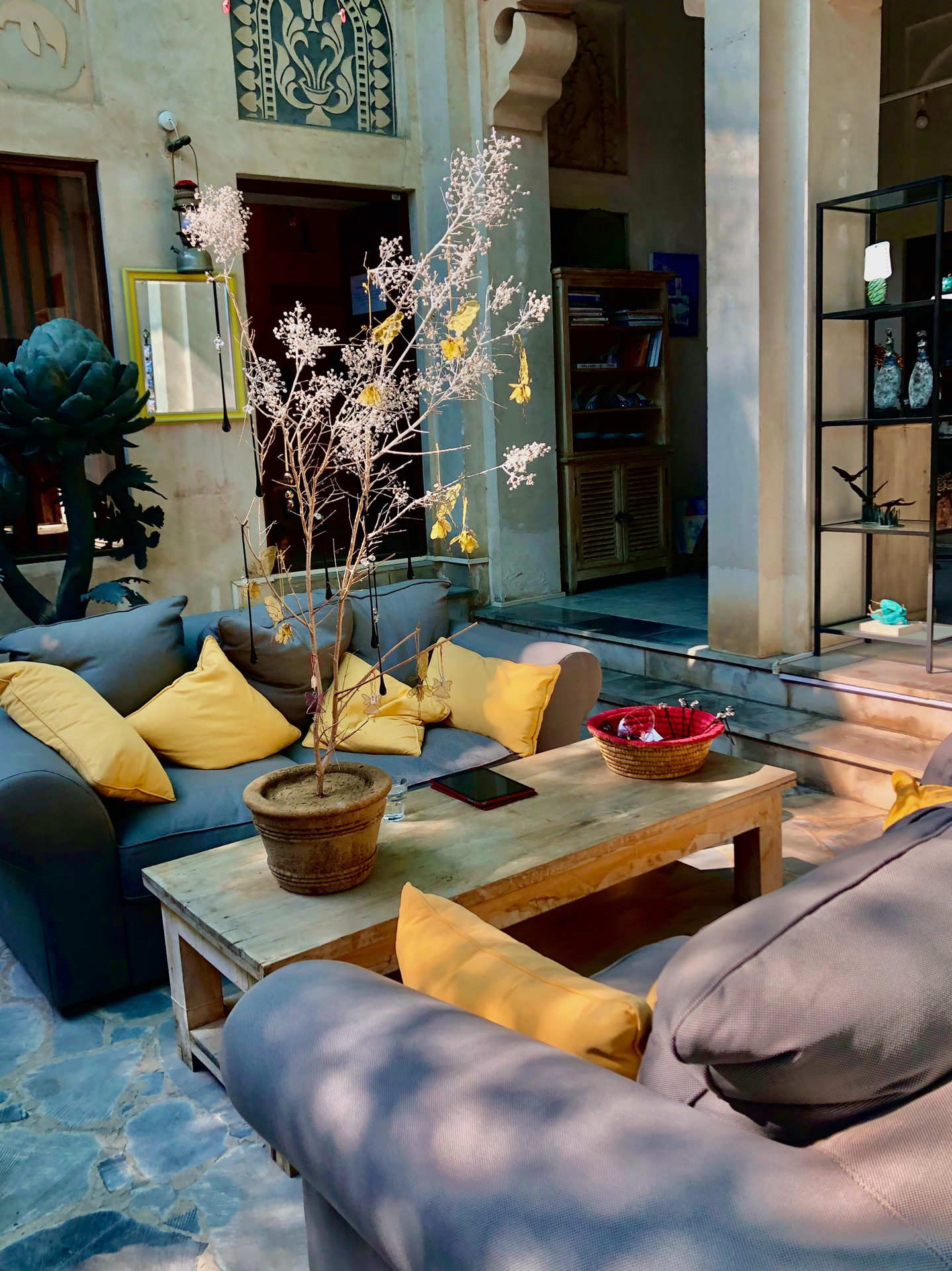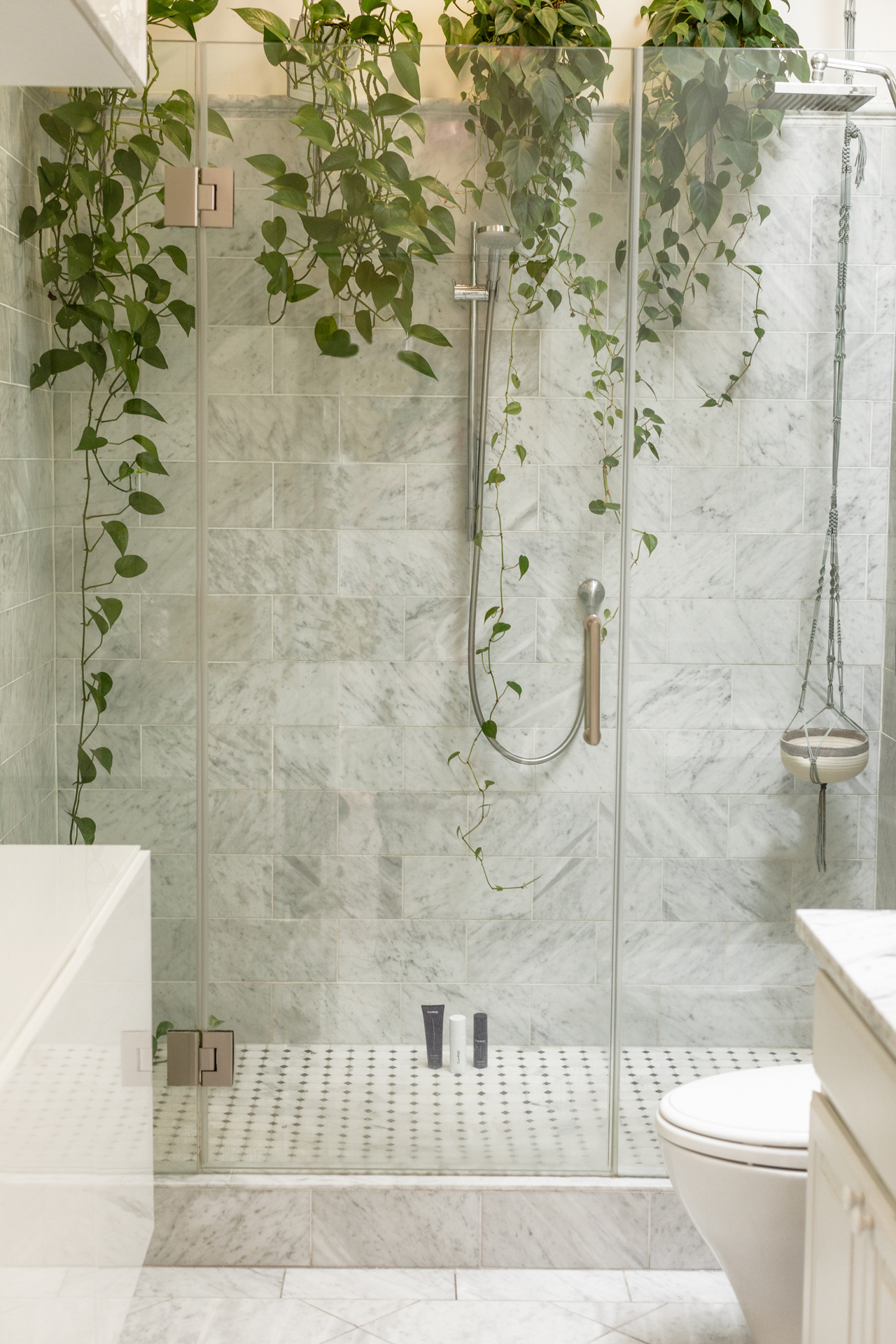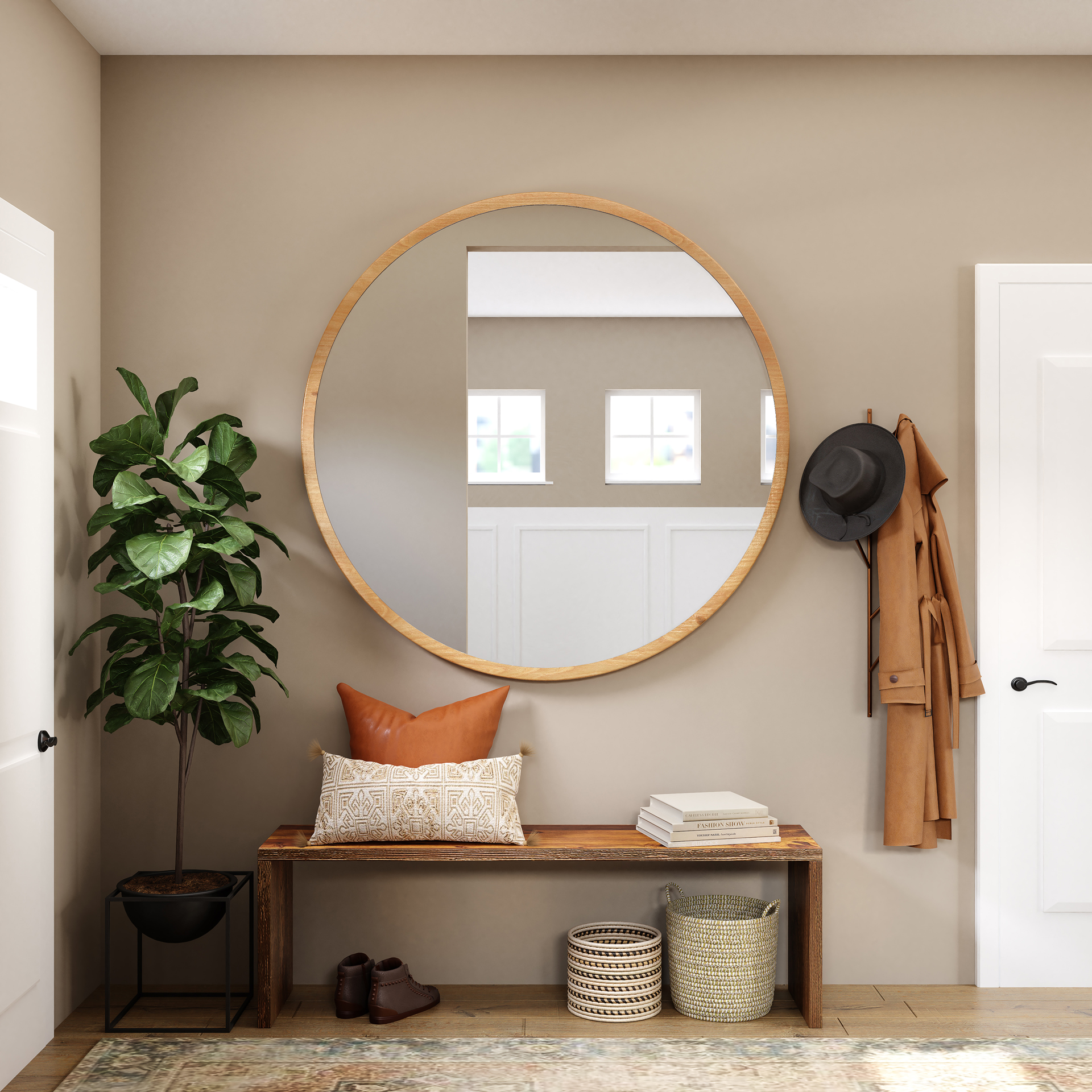

Minimalism works best when it removes visual noise without removing comfort. A sofa is central to that balance because it supplies both the practical seating and much of the room’s softness.
Choose quiet upholstery
Cream, oatmeal, warm gray, muted brown, and soft olive can support a calm palette. Look for texture in the weave or finish so the sofa does not look flat.
Pair with warm materials
Oak, walnut, cane, linen, wool, and matte ceramics can prevent a minimal room from feeling clinical. Repeat a material two or three times for continuity.
Keep furniture purposeful
A sofa, coffee table, lamp, and one or two supporting pieces may be enough. Every item should have a clear job or contribute meaningfully to the composition.
Layer the lighting
Use ambient light for the room, task or reading light near the sofa, and low accent light for atmosphere. This creates warmth without adding decorative clutter.
Let negative space work
Do not fill every corner. Open floor around the sofa can make the room feel calmer and can also improve circulation.
sofa.us/ takeaway: Choose the sofa and room strategy that fits the way you actually live. The strongest design decisions balance comfort, proportion, durability, and visual character rather than chasing a look in isolation.