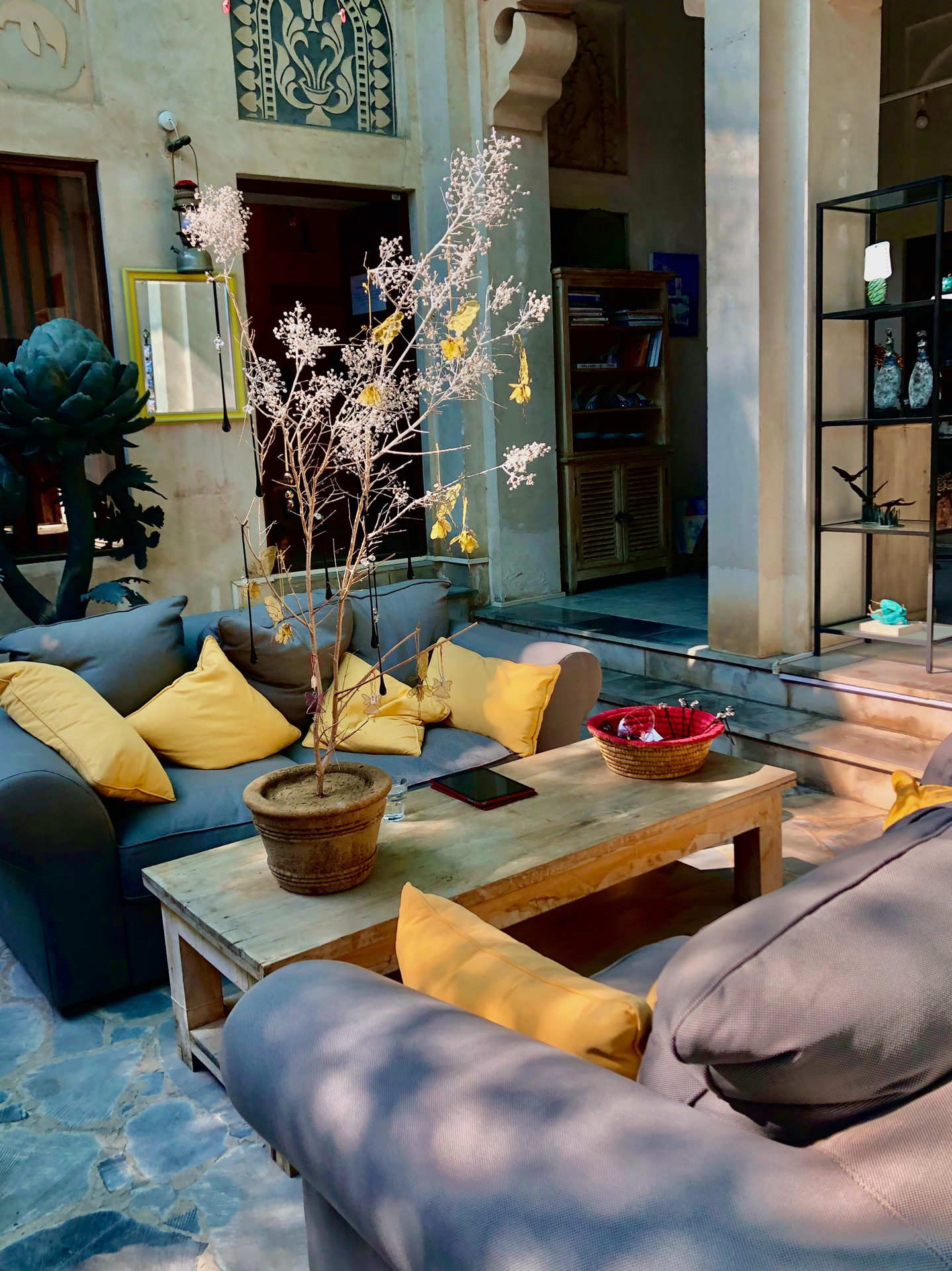

Neutral sofas remain popular because they are adaptable, but flexibility can become flatness if every surrounding piece is also quiet. The solution is not necessarily a brighter sofa. It is to build contrast through texture, shape, and carefully selected color.
Use tonal depth
Combine several shades within the same family. A cream sofa can sit comfortably with warm white, sand, camel, and walnut, while a gray sofa can work with charcoal, stone, and muted blue.
Add one confident pattern
A patterned cushion, rug, or artwork can give the room a focal point. Choose one pattern with enough scale to be visible from across the room, then keep surrounding patterns simpler.
Mix material finishes
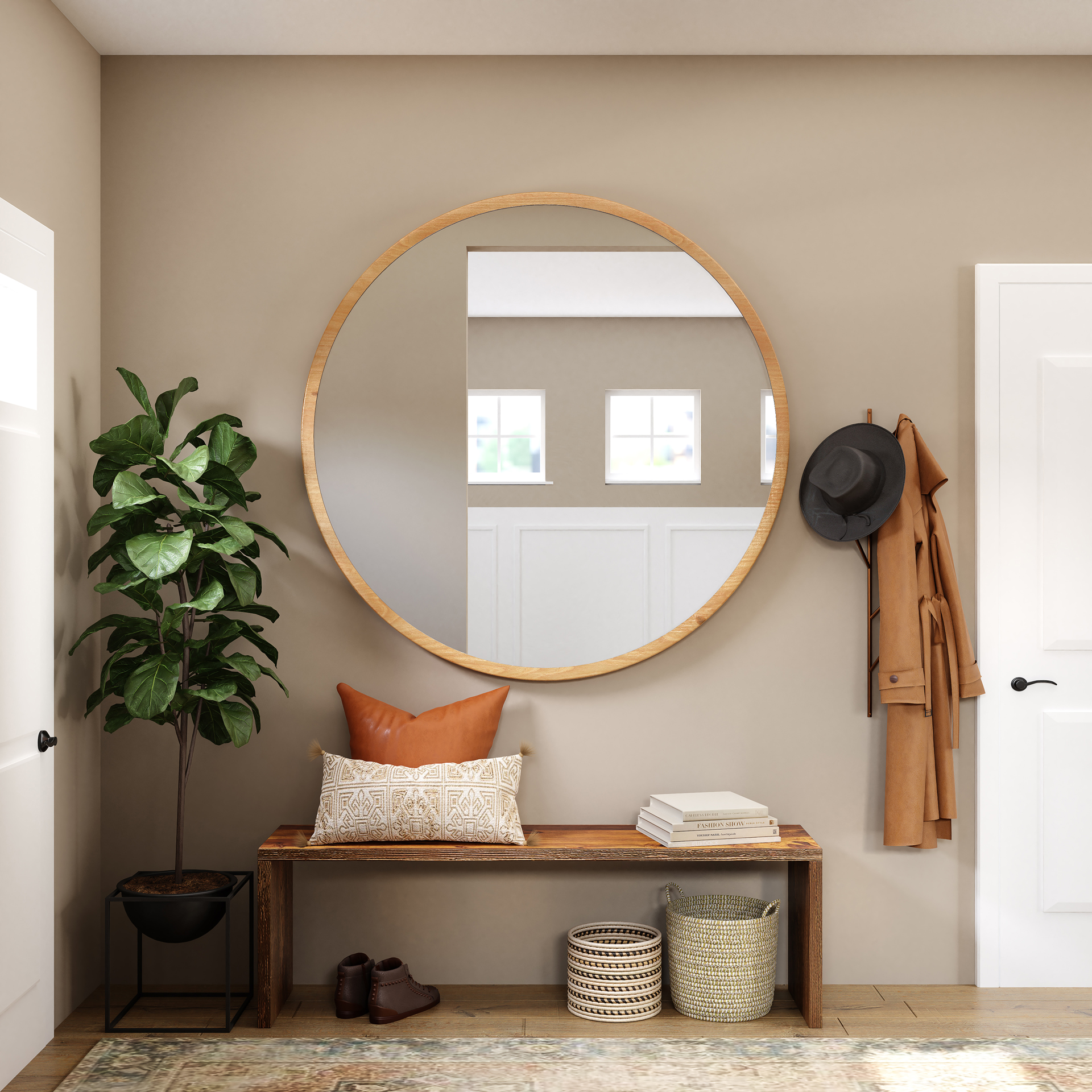
Pair soft upholstery with wood, metal, glass, ceramic, or woven fibers. Material contrast gives a neutral room dimension even when the color palette remains restrained.
Vary shapes
If the sofa is boxy, introduce a rounded coffee table or curved lamp. If the sofa has soft curves, a structured side table can provide balance.
Use evening light
Warm pools of light make neutral upholstery feel richer after sunset. Place lamps at different heights so the sofa zone has depth rather than one bright point overhead.
sofa.us/ takeaway: Choose the sofa and room strategy that fits the way you actually live. The strongest design decisions balance comfort, proportion, durability, and visual character rather than chasing a look in isolation.