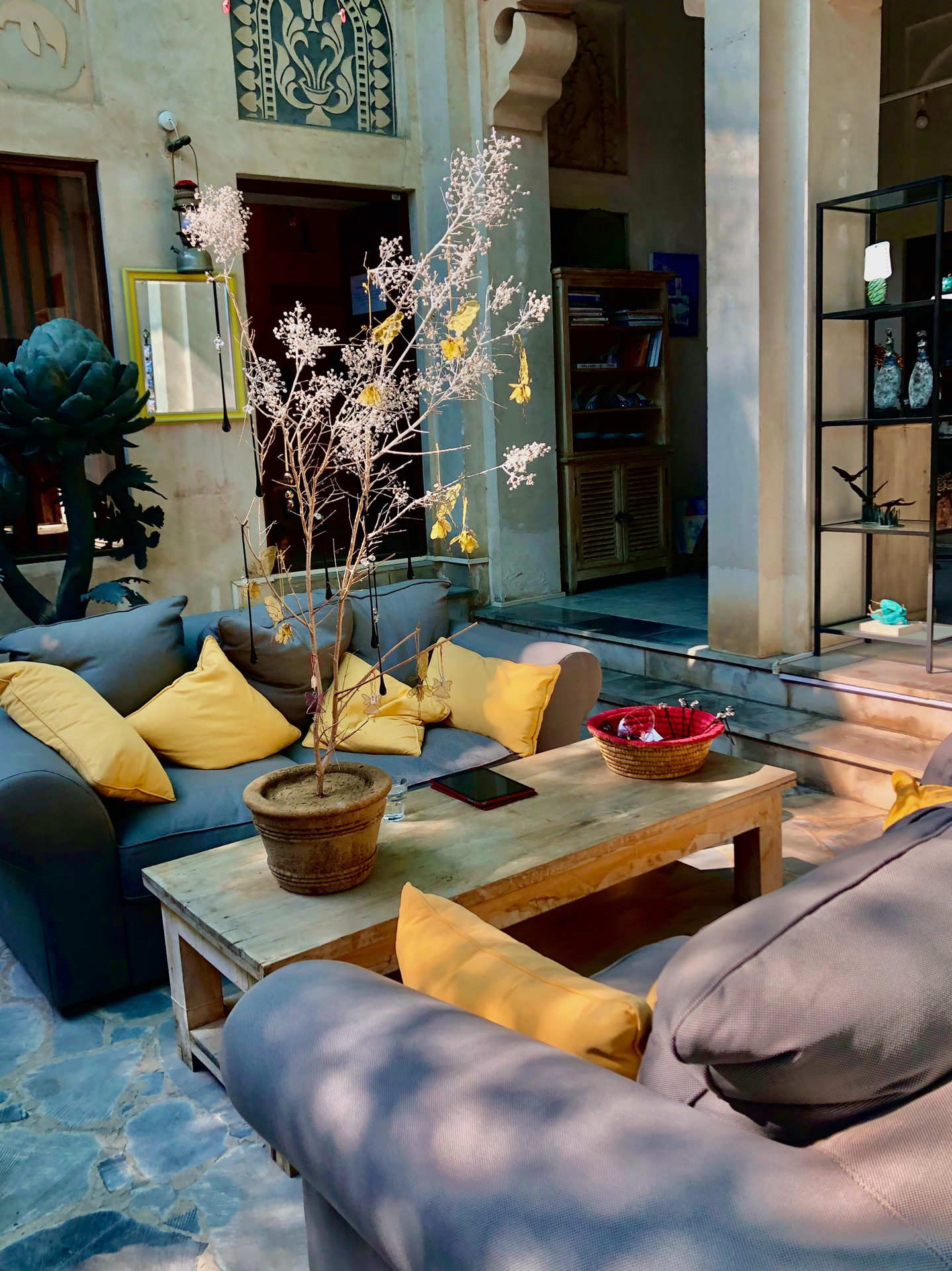


A larger room does not automatically feel spacious, and a small room does not have to feel cramped. Sofa selection has a surprisingly strong effect on perceived space because the sofa occupies a large visual and physical footprint.
Prioritize proportion
Measure the wall, not just the room. A sofa that is too long can make a wall feel crowded, while one that is too short may look disconnected from surrounding furniture. Check both overall width and arm thickness.
Let the floor show
Raised legs and a visually lighter base can make more floor visible beneath the sofa. This does not mean every small room needs a high-legged sofa; it simply gives you another tool for reducing visual weight.
Keep circulation simple
A clear path is one of the fastest ways to make a room feel larger. Avoid placing a coffee table, chaise, or side chair where it forces people to squeeze past the seating area.
Use coordinated tones
A sofa close in value to the surrounding walls can visually recede. Add contrast through cushions, artwork, and rugs instead of making the largest piece in the room the loudest element.
Choose flexible tables
Round, nesting, or slim-profile tables can preserve circulation around a compact sofa. Look for pieces that are useful without competing with the sofa’s footprint.
sofa.us/ takeaway: Choose the sofa and room strategy that fits the way you actually live. The strongest design decisions balance comfort, proportion, durability, and visual character rather than chasing a look in isolation.